
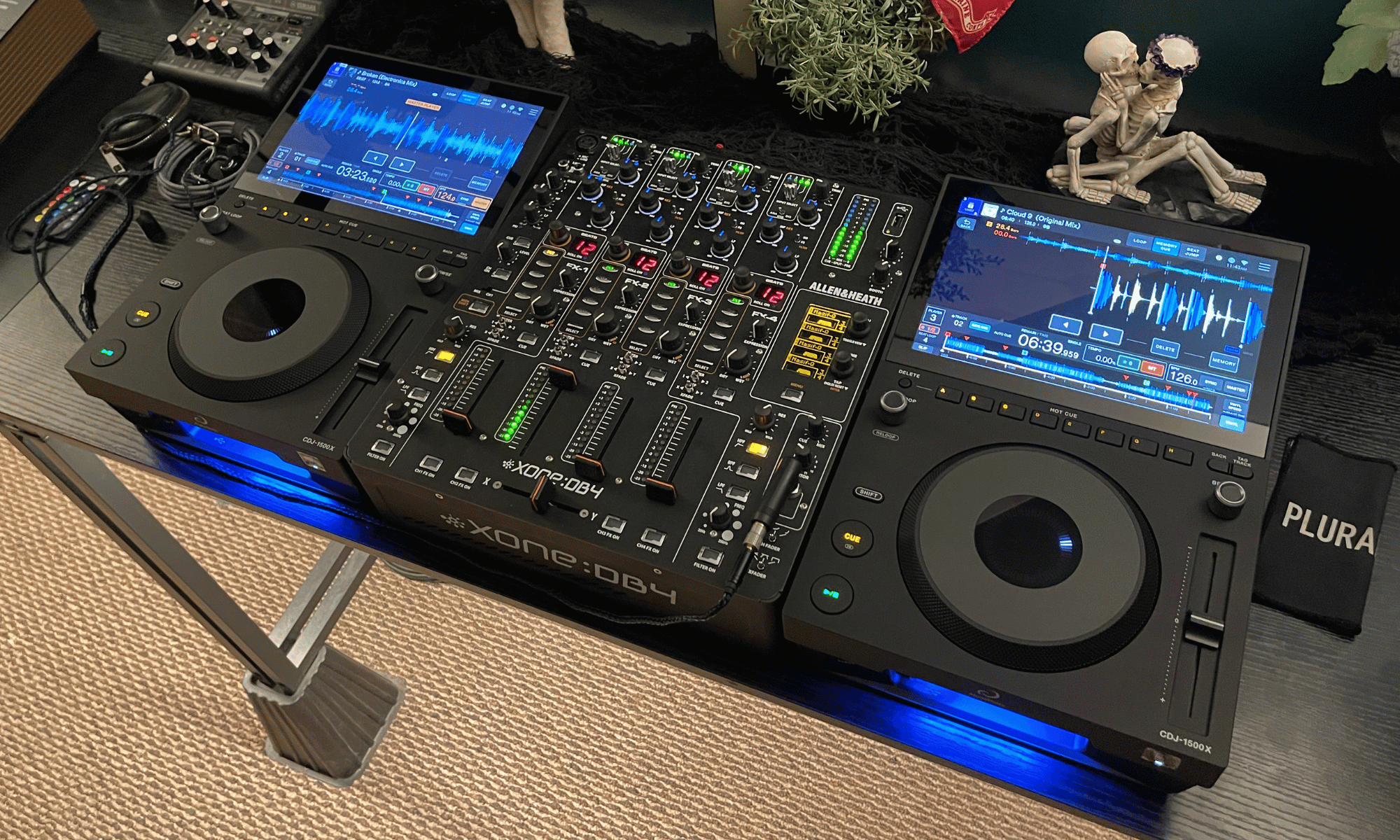
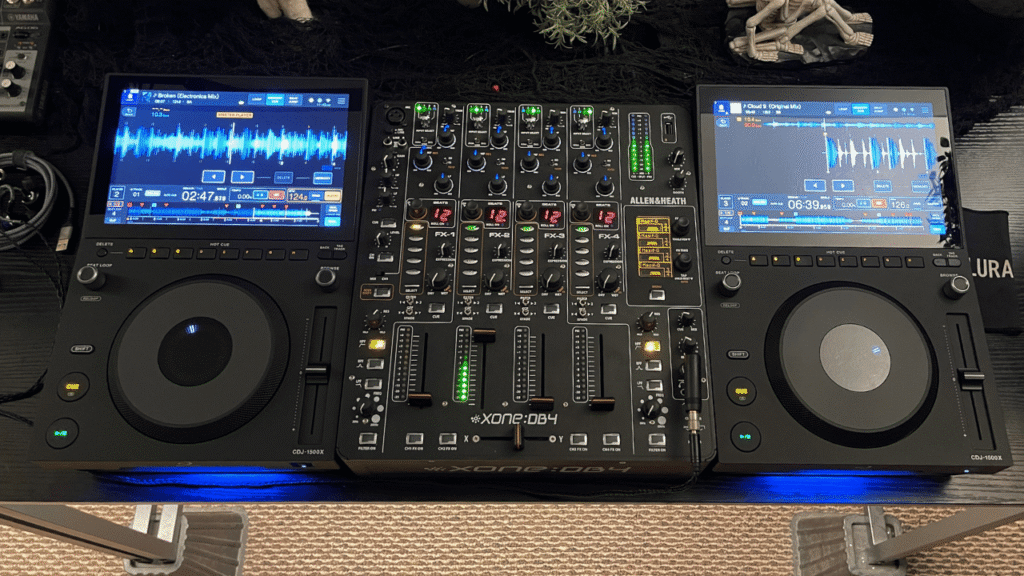
Recently, I sold my Pioneer DJ CDJ-2000NXS2s and replaced them with a pair of AlphaTheta CDJ-1500Xs.
I’ve had a few people question that decision, and I can understand why. On the surface, it might look like a downgrade. After all, the CDJ-2000NXS2 was once Pioneer DJ’s flagship player, while the CDJ-1500X is a considerably less expensive, more compact alternative.
But there’s a reason I made the switch, and it has a lot more to do with how I actually DJ than which piece of equipment is considered more professional.
The CDJ-2000NXS2 Is Still a Hell of a Player
First, I want to make something clear. I have absolutely nothing against the CDJ-2000NXS2. Those things are tanks.
They were released back in 2016, so they’re approaching 11 years old now. They’ve since been replaced by newer generations of CDJs, including the CDJ-3000 and, more recently, the CDJ-3000X. Those are the players you’re increasingly finding in major clubs and on festival stages around the world.
But the 2000NXS2s have earned their reputation.
They’re widely regarded as some of the most durable, reliable, and robust pieces of DJ hardware Pioneer DJ ever produced before the company became AlphaTheta.
They might not have quite the same legendary status as the Technics SL-1200 turntables, but they certainly have their own place in DJ history. And it’s well deserved.
Pioneer did a killer job building those players. They’re designed to take abuse and keep working, and there are still plenty of DJs who prefer them.
So why would I sell mine? Well, there are a few reasons.
I’m Not Primarily a Club DJ
This is probably the biggest factor in my decision.
First and foremost, I’m not really a club DJ.
Don’t get me wrong. I love playing in clubs, and I’d absolutely like to be doing more of it.
But the reality is that I probably only play two or three properly curated, ticketed shows a year, if that. I’m talking about actual club nights or events with established lineups, a dedicated dance floor, and a proper performance environment.
Most of the other events I participate in are open deck nights, community events, occasional open-format gigs, or shows that I’m organizing myself. I’ve also done weddings and mobile DJ work in the past.
But the point is, I’m not spending every weekend standing behind a set of CDJs in a nightclub. And when I really started thinking about that, I had to ask myself why I needed to own a full-sized flagship club setup.
The CDJ-2000NXS2s are big players. The 3000s and 3000Xs are, too.
They’re fantastic pieces of equipment, but for what I actually do, they’re honestly a little overkill.
My DJ Setup Needs to Make Sense for My Life
There are also financial considerations involved.
Like a lot of people, my family has expenses and personal medical debt that we have to deal with. That’s part of the reality of life, and it certainly factors into decisions about how much money I want tied up in DJ equipment.
But I don’t necessarily look at this switch as a downgrade. Some people absolutely will, and that’s fine. For my needs, my workflow, and the kind of DJing I actually do, the CDJ-1500Xs make sense.
I’m primarily a live-streaming, home-based DJ.
That’s where the majority of my DJing happens.
I also organize shows, participate in events, and occasionally need to bring equipment out for mobile setups. For those situations, I already own an Opus Quad.
And honestly, the Opus Quad is a perfectly capable machine for that kind of work.
When I’m putting on an open deck night or organizing an event where I need to get equipment set up quickly, the last thing I want is to haul around a bunch of separate players, mixers, cables, and cases.
I want to get in, set up the sound, get everything working, and play music.
The Opus Quad handles that very well. The CDJ-1500X setup is an ideal backup system for when the Opus Quad isn’t availabe for whatever reason.
And when I do need a proper club setup for an event, there are people in our local community who own flagship CDJs. We also have venues with their own equipment, and there are rental options available depending on what the event requires.
Getting access to that equipment isn’t an impossible task.
I’m simply not putting on enough of those kinds of shows to justify owning flagship CDJs myself.
But I still want the CDJ experience at home. I still need CDJs for marketing, smaller events, and private parties.
And that’s where the 1500Xs come in.
Wanna see me DJ with them? Check out my very first mix on the new CDJ-1500Xs on my YouTube channel.
My Mixing Style Doesn’t Require a Million Features
Another important part of this decision comes down to the music I play.
I’m a house DJ.
More specifically, most of what I play falls somewhere within progressive house, deep house, electronica, and related underground styles.
I occasionally venture into other genres depending on the event, but that’s generally what the Opus Quad is for.
When I’m at home playing music the way I actually want to play it, I don’t need my CDJs to have a fuck ton of buttons and features.
I just don’t.
My mixing style is built around longer blends and working with the music itself.
- I don’t use Beat Jump at all.
- I don’t do a tremendous amount of beat looping.
- I barely use Hot Cues compared to some other DJs.
- I actually use Memory Cues considerably more than Hot Cues.
I’m much more interested in what I’m doing with the mixer than constantly manipulating tracks on the players. That’s also why I chose the Allen & Heath Xone:DB4 as my mixer. Besides, the mixer is where I do most of my actual mixing. Working with EQ, effects, transitions, and the relationship between the tracks.
The CDJs are there to deliver the music and give me the control I need over playback.
I don’t necessarily need all the additional hardware controls that come with a flagship player. I don’t even big jog wheels. The CDJ-1500X has the functionality I need. Some of those functions are handled through the touchscreen rather than dedicated physical buttons, but that doesn’t particularly bother me.
For the way I mix, I’m simply not using those features frequently enough for that to become a problem.
Those Loop Encoders Are Fucking Fantastic
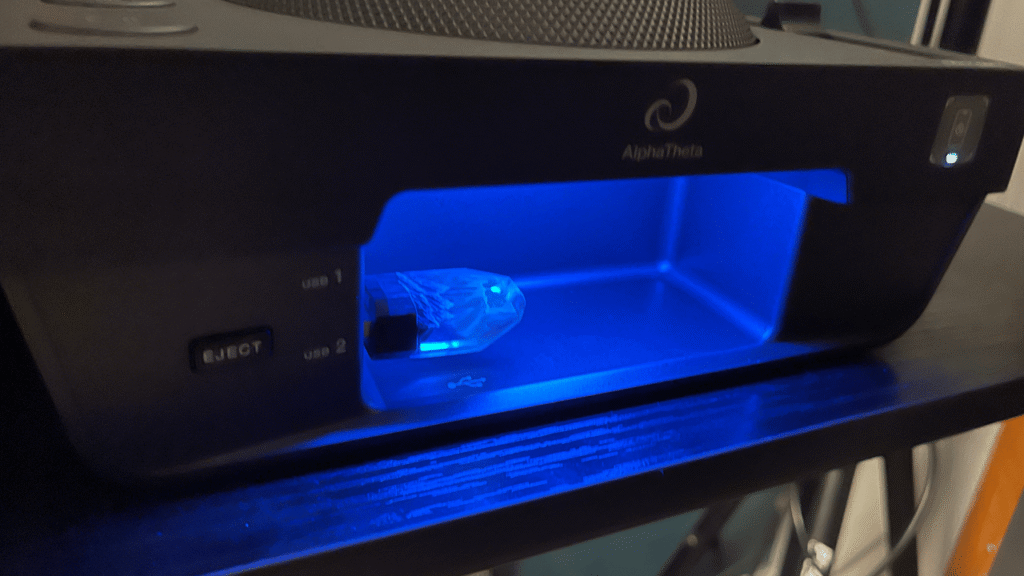
One feature I do want to mention is the physical loop encoder on the CDJ-1500X (also on the Opus Quad and Omnis-Duo).
I love these things.
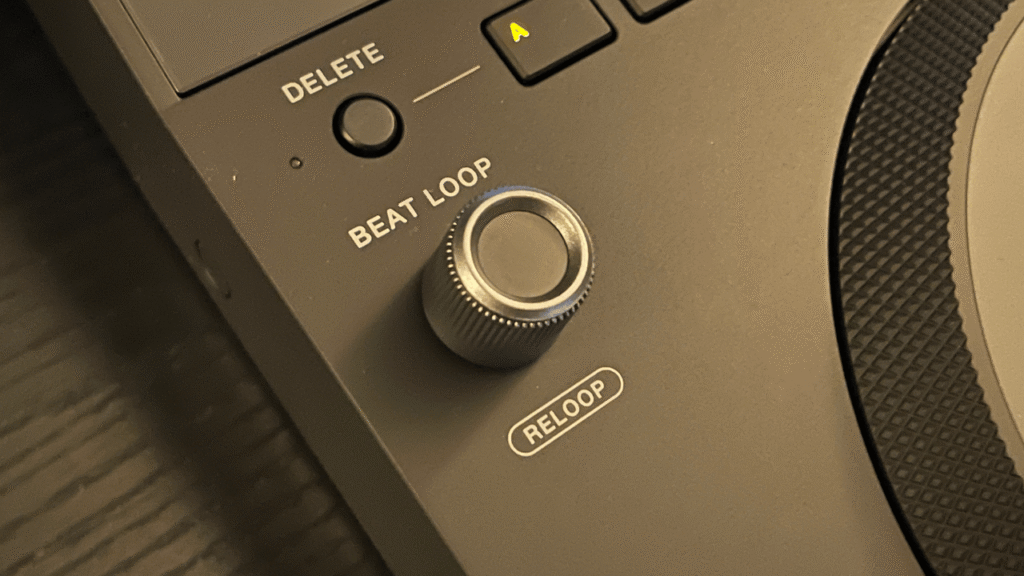
I genuinely don’t understand why Pioneer DJ, or now AlphaTheta, didn’t bring this approach to their CDJ players sooner. They’re fantastic. It’s a simple, intuitive way of handling loops, and I find it much more appealing than some of the older implementations.
Beyond that, what do I really need?
I need a player that delivers good audio, supports the music formats I use, integrates properly with my setup, and works with Pro DJ Link.
That’s about it.
I’m not trying to perform some elaborate routine with a dozen Hot Cues, rapid-fire effects, and constant track manipulation. I’m playing progressive house music and blending records.
And the CDJ-1500X gives me the tools I need to do that.
Staying Familiar With the Newer CDJ Ecosystem
There’s another reason I think this switch makes sense, and it’s actually one of the advantages I see in moving away from the older 2000NXS2s.
The CDJ-1500X belongs to the newer generation of AlphaTheta players.
That means I’m working with a more current interface and software environment, rather than continuing to build all my familiarity around hardware that was designed more than a decade ago.
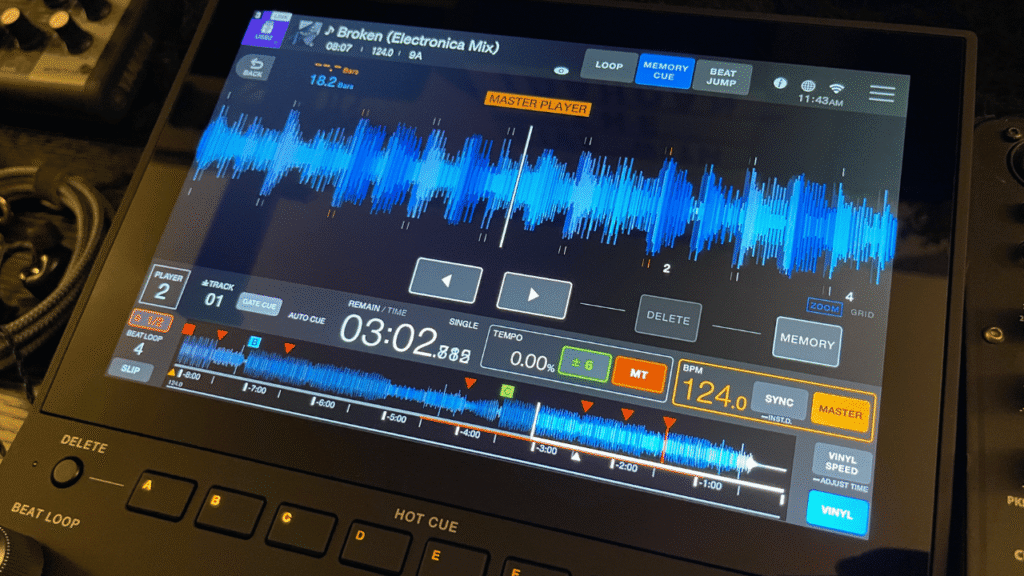
And that matters to me. “But Chad… Denon.” No. I put on events on a monthly basis. NOBODY in the East Idaho electronic music scene is hosting shows with Denon gear. I would wager that 95%+ EDM artists in east Idaho use Rekordbox when playing at the local clubs.
On the occasions when I do find myself playing in a club or on a festival stage, there’s a pretty good chance I’ll be using newer CDJs, whether that’s a CDJ-3000 or a 3000X.
I want to be comfortable navigating those newer systems. Now, obviously, the CDJ-1500X isn’t identical to a CDJ-3000X. There are differences in hardware, features, and layout. But there’s enough overlap in the modern rekordbox and CDJ workflow that I see a benefit in using newer equipment at home.
I don’t want the transition to newer club equipment to feel like a culture shock because I’ve spent all my time working with an older interface. The 1500Xs give me an opportunity to stay familiar with the direction AlphaTheta is taking its players without needing to spend flagship money to do it.
And for me, that’s a pretty reasonable compromise.
It’s About Having the Right Equipment, Not the Most Expensive Equipment
I think sometimes DJs get a little too caught up in the idea that they need to own the same equipment they’re seeing on major festival stages.
And I understand the appeal.
There’s something satisfying about having a full club setup in your home. I’ve owned one, and I enjoyed it. But at some point, you have to look at what you’re actually doing with that equipment. For me, the Opus Quad is my solution for mobile events, community shows, and situations where I need a capable, portable DJ system.
The CDJ-1500Xs, paired with my Xone:DB4, are my home setup.
That’s where I spend most of my time playing and live streaming.
And that’s really what this decision comes down to.
I wanted to keep a proper CDJ-based setup at home, maintain familiarity with newer equipment, and have everything I actually need for the way I mix. I didn’t need to keep a pair of older flagship players just because they used to be the industry standard. And I certainly didn’t need to spend the money on a pair of CDJ-3000Xs.
Not for what I do.
So, Was It a Downgrade?
I suppose that depends on how you look at it.
If you’re comparing the equipment strictly by its position in the product lineup, then sure. I went from an older flagship player to a newer, more affordable model. But if you’re comparing the equipment based on how well it fits my needs, I don’t see it that way.
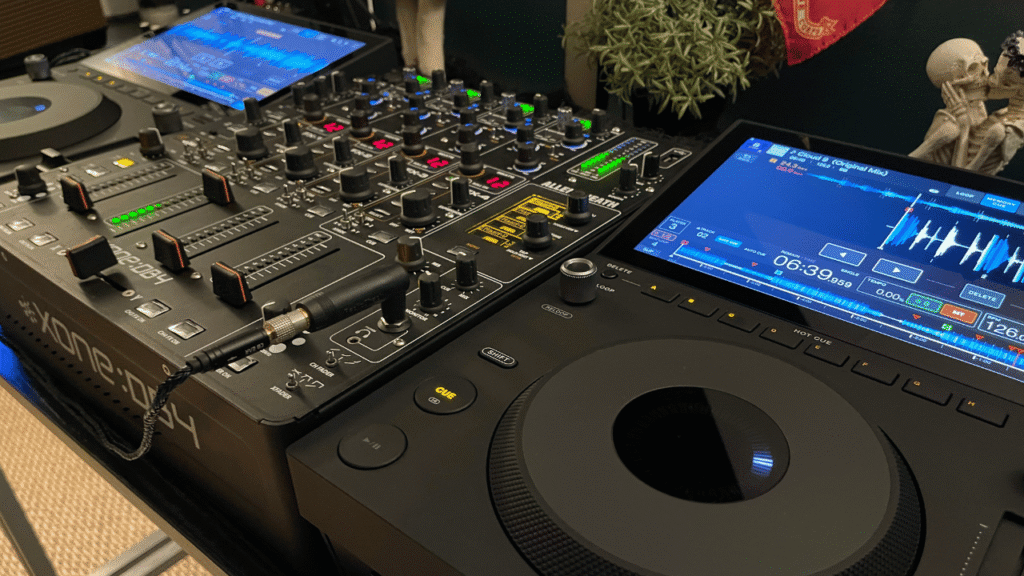
I got newer hardware, a more current workflow, some features I genuinely like, and a setup that’s better suited to how I actually DJ. And I managed to make the change without having to spend a bunch of additional money.
That’s a win for me.
Now, I do want to point out that these players are still very new to me. I haven’t spent nearly enough time with them to give a proper long-term review, and I’m not going to pretend otherwise.
There may be things I discover down the road that I don’t particularly like. There might be limitations that become more apparent once I’ve spent more time working with them. I’ll come back and write another update once I’ve had a chance to really put them through their paces and see how they fit into my workflow.
But as far as the decision to make the switch is concerned, that’s my reasoning.
I didn’t buy these because I think they’re better than every other CDJ on the market.
I bought them because they make sense for me.
And at the end of the day, I think that’s a much better reason to choose your equipment than simply buying whatever happens to be at the top of the product lineup.
Editor’s note: This article was developed from The Idahoan’s original spoken commentary and edited with assistance from AI for grammar, punctuation, readability, and clarity. The experiences, opinions, and perspectives expressed remain his own.